
FOUR CAREER PIVOTS. THIRTY YEARS. ONE LESSON.
"What are you doing here!?"
No one asked me this question, but I fully expected it at my first few voice-over jobs.
Early in my “career add-on” pivot, I was lucky to get the occasional sporting event.
One time I even got a breakdance competition.
→ Watch: Red Bull BC One Final in Rio
At one stage I was the voice of Red Bull's Surf Chronicles - by far the sexiest gig I ever got.
However, most of the jobs were for hearing aids or other topics far from the highlight reel.
Nevertheless, I had a bad case of Imposter Syndrome at the start of my voice-over career.
Learning from the Imposter Syndrome was an unexpected learning from that experience.
From changing industries to transitions within industries, career pivots build personal resilience in expected and unexpected ways.
This is a story about how career change has taught me resilience over my 30-year career journey.
THE INDUSTRY CHANGE
My last few semesters at college I worked as a bank teller.
It was a great entry point into white collar work - I now miss the outdoor blue collar work of my youth, ironically.
So it made sense when I got my first post-university job in the finance industry.
But I quickly got bored sitting behind a desk, working with faceless money.
I wanted to experience more. To explore the world around me.
For me, that meant quitting my job, getting a passport and leaving the country.
I decided to teach English in South Korea.
The fact that I knew nothing about teaching or the culture didn't matter.
I just wanted to experience more than a sedentary 9 to 5, fighting traffic every morning and night – no life for a kid in his twenties.

Springtime with Danny & Yvonne in Korea
The less you know about something, the larger the resilience-building opportunity.
That's how I got from Banking & Finance to Education - the first of my four career pivots.
If there was a hurdle to this first pivot, I wasn't aware of it at the time.
One year as a stranger in a strange land was challenging, however.
Sharing a tiny apateu with two fellow teachers was hard – as I was the last to arrive, the living room was converted into my bedroom.
But everything was new. And different.
At 23, building resilience was far from my motivation for the change.
I simply wanted to “live deep and suck the marrow out of life" like those dead poets.
With the long flights and foreign airports I expected to gain international travel experience.
I didn't expect to see my home and fellow countrymen in a different light, however.
During the year, I grew my hair long to avoid getting labeled as an insensitive American who might cause harm to locals.
The country was reeling from a brutal attack on school children where the guilty American soldiers had immunity from Korean jurisdiction.
It was also the first time in my life I experienced discrimination - a key learning emerged from the experience.
Sadly, actions have consequences that can overshadow good deeds.
I no longer think of America as the world's benevolent policeman.
My thoughts and feelings come from my first year abroad.
THE CAREER TRANSITION
After a few more years in far east Asia I eventually settled in Germany, where I've lived since 2001.
I felt myself a world citizen and digital nomad long before they were buzzwords.
Teaching business English was a great entry point into the development work I would eventually do here.
I had a business background, was already embedded in a few corporates and was comfortable in front of groups.
Nevertheless, pivoting from teaching to training, language to management skills, proved harder than expected.
One hurdle - my then clients saw me as an English teacher, not a Management Skills Trainer.
The bigger problem was that I didn't see it either.
Fortunately, this career pivot gave two key learnings I’ve carried with me to this day:
1. Don't assume people will hire you for a new service because they used you for a previous service.
2. If you want others to see you as something, you have to first see yourself as that thing.
Fake it till you make it might work for some. Not me.
I did manage to get an interview with the head of a Management Institute at one of my known companies.
The American-educated boss was desperate and needed someone to pick up some of the slack in his team.
I answered the call.
Opportunities might come your way, but you need the courage to leap at them.
An additional key learning.
I was gifted the interview; convincing him I was the answer to his problems was all me.
I spent the next few years in a non-training role as an Executive Learning Manager.
I didn't get to train the execs I was interacting with but the interaction helped me when I did start training them a few years later.
If you have success in one area, people will believe you can be successful in other areas.
SECRET: Self-belief in future success, even when lacking know how, is more important than the confidence of others. Once again.
Patience and perseverance bring you closer to your goal, especially when hurdles are involved.
I kept teaching English for a few more years before I could call myself a full time corporate trainer.
A few more before using the title, Leadership Development Consultant.
However, I paid my proverbial dues and I did it.
Nothing builds self-belief and confidence like goal achievement.
Nothing builds resilience like a challenging career pivot.
To make a successful pivot, however, there are 3 things you need.
They all happen to start with C:
THE CAREER ADD-ON
In the absence of teaching, I had lost an income pillar.
I'd managed to parlay my Learning Manager job to a small learning consultancy where I became familiar with the concept of "learning by doing".
I believe learning this way builds resilience faster than any other method.
Within a year, I was doing much more skills training.
I'd joined the business development team and was writing offers for which I was also lead trainer.
KEY LEARNING: Don't wait for the coach to put you in.
Tell the coach you are ready and be ready to go; he'll turn to you faster than you expect.
Nevertheless, I lacked a steady income.
Working in the Media, my wife worked with a few sound engineers.
One of them thought I had a cool voice and insisted on making a voice demo for me…
I didn't know a voice demo from a voice message.
Nevertheless, I took her up on her offer and within a few months I was making voice-overs for commercials and more (see Imposter Syndrome learnings above).
Incorporating the media work into my job portfolio was more of a professional expansion than a career pivot.
Resilience building, nevertheless.
Lessons learned:
1. If you're curious about something, check it out.
2. If someone offers you helping hand, take it - especially if they have expertise in the area of your curiosity.
THE INDUSTRY HOP
During those 5 "learning by doing" years I came into contact with coaching.
And not in the way I previously understood it after reading John Whitmore’s classic: GROW & Coaching for Performance (Goal, Reality, Options, and Will).
Those things still mattered but I observed a significant difference between Performance and Executive Coaching.
Performance coaching was just another name for the performative skills building I'd done for years - I'd even coached a few of my former workshop participants in request.
Furthermore, it seemed senior professionals and managers needed a new mindset more than new skill set.
This was the gap between Performance and Executive coaching - approaching things differently vs. learning new skills.
More important than how to delegate or run a performance review, a job managing people requires learning a different mindset to solve new problems.
Mindset over skill set.
What I also loved was facilitating conversations between people - going beyond training how to do something the best way, to helping people come to their own best practices.
My final pivot from teaching and training to coaching and facilitating has developed organically within my chosen industry of People Development.
Although most of the work I do now is called coaching or facilitation, there are still times when I put on my teacher/trainer hat.
I recently pulled out The Eisenhower Matrix to help a team leader improve prioritization skills.
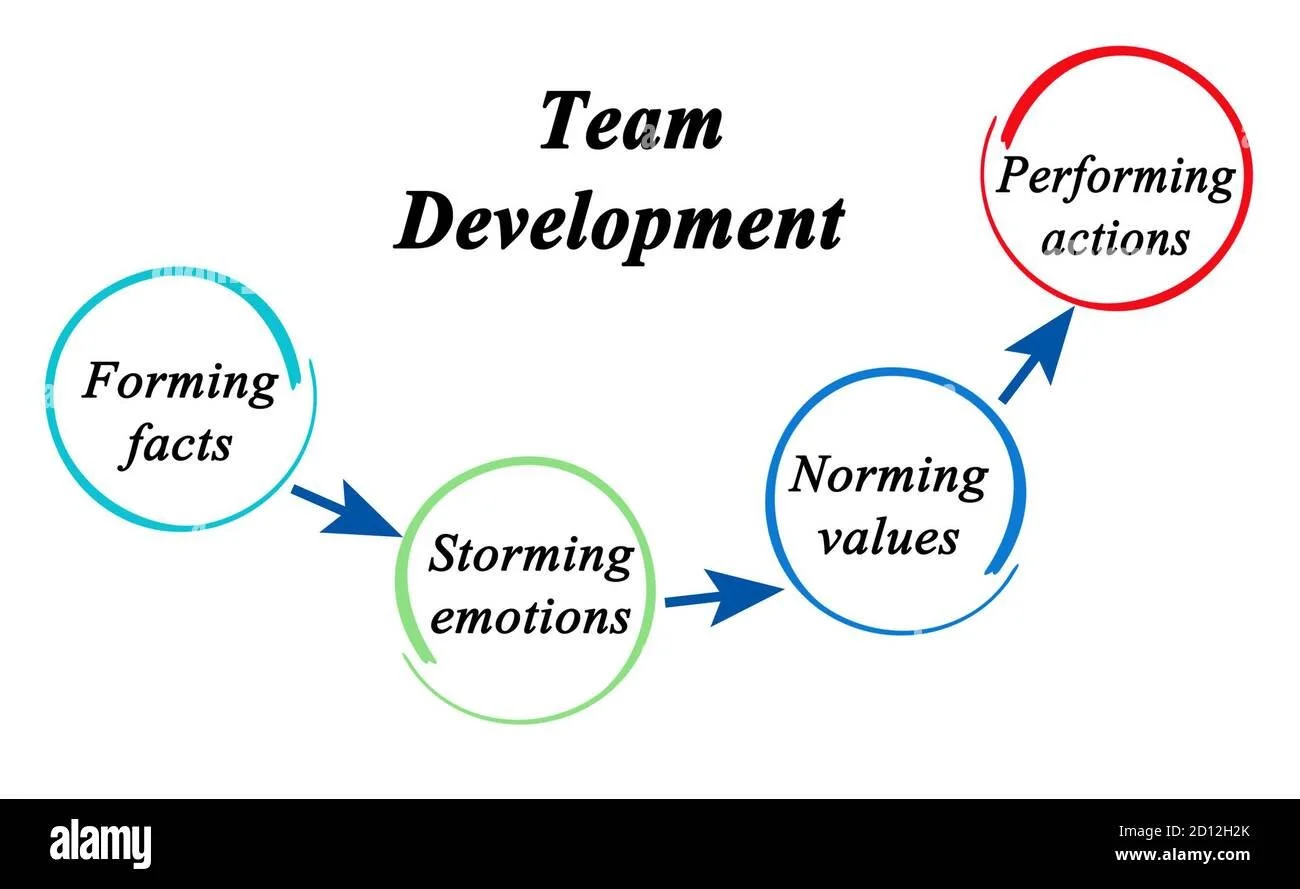
I recently shared Tucker’s 4 Stages of Team Development with a team, even though my mandate was coaching.
If a training model supports the individual or group I’m working with, I don’t hesitate to use it.
THE LESSON
One lesson stands out from all four:
From big industry changes to career add-ons, career pivots build resilience.
If you’re thinking about making a career change, here are 3 questions to ask yourself:
1. What do I like about my current job? Dislike?
2. What would I like to change about my current situation?
3. What and who could help me make this change?
Your answers could provide more insight than a late-night ChatGPT session.
If you’d like hands-on guidance, let’s talk.