
TRUST BUILDS RESILIENT TEAMS, NOT TOOLS
Does your team “get going when the going gets tough”?
This proverb points out that resilient people work harder to overcome a challenge when a situation gets “tough”.
You want a team made up of people like this - one that can move through “storming” to “performing”.
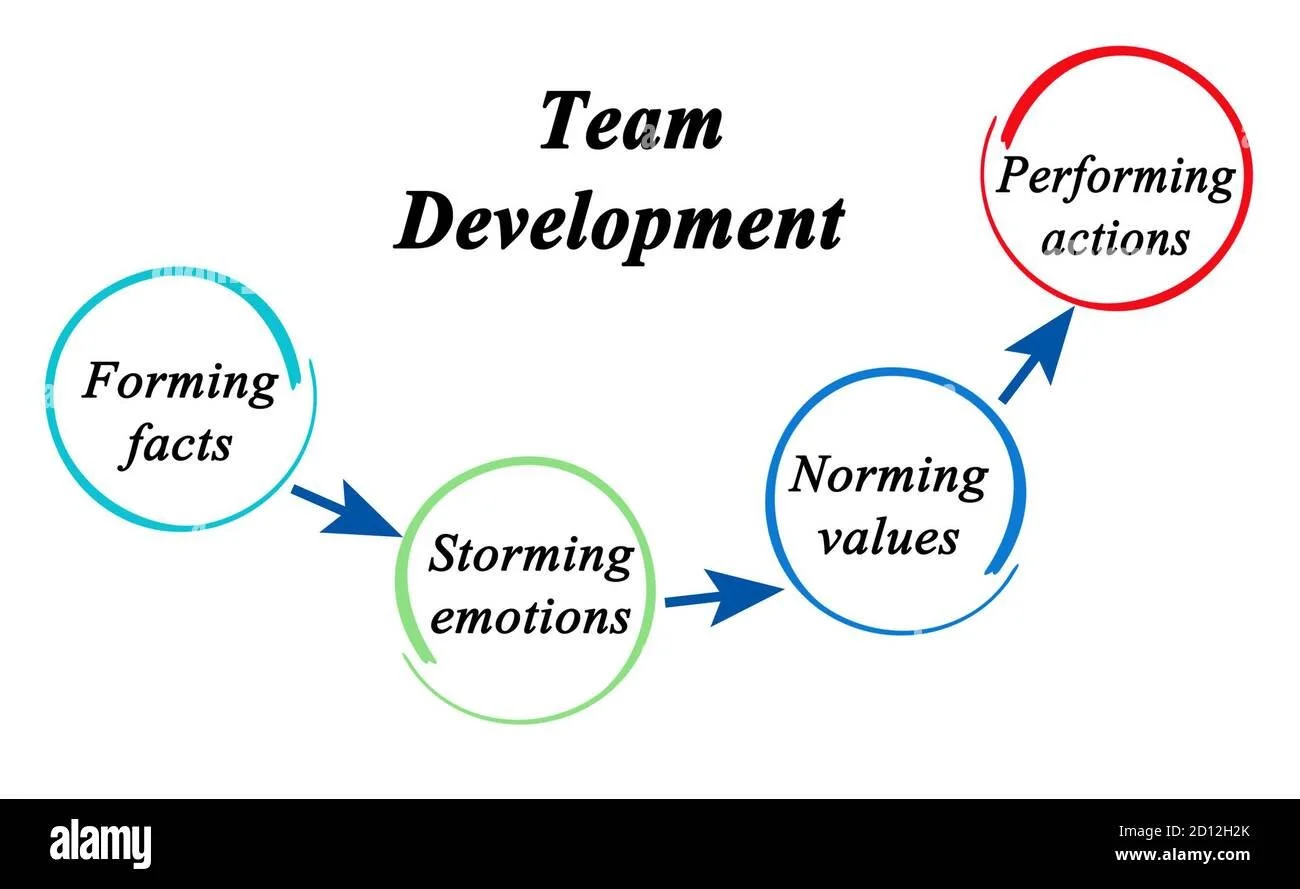
A resilient team that “gets going” carries on collaborating, despite misunderstandings or miscommunications that cause potential conflicts.
That’s the kind of team you want.
Change can be a potential conflict, especially when complex.
As a team leader, it’s tempting to look for a tool to help your team navigate a complex change, for example.
Many tools offer teams a simple color, number or code that can help people better understand each other.
“For a resilient team, however, priority number 1 should be building trust, not using an over-engineered tool.”
[Article continues below the form]
Don’t get me wrong, there are some great tools out there – I’m licensed in several.
When helping people manage differences in a team, I turn to the Meyers Briggs Type Indicator (MBTI).
Gallup’s Strength Finder helps me empower a team to spread its wings and fly.
Nevertheless, they require brain power to absorb more information – some tools are complex in themselves.
“ONE BIG conclusion after working closely with people for 30 years is this:
People need more simplicity in their lives, not more complexity.”
Not all tools are created equal.

As for bringing out the best in people, magnifying what they already do well is a great staring point.
When approaching change, for example, lead with the human Paradoxical Theory of Change which says:
“Change happens when becoming what you are, not something you are not”.
“There is no one tool designed to build the trusting relationships that are crucial to navigating complex change - not that I’ve ever seen.”
When there is a miscommunication, trust allows people to look past the potential conflict and believe something good about someone, rather than something bad.
Trust also prevents people from jumping to conclusions or assuming the worst.
Keep in mind the proverbial “benefit of the doubt”!
In this article I present 3 steps to help people build trust in order to navigate complex change, etc.
BUILD TRUST. FACILITATE CHANGE.
1. Create a safe and trusting environment where others feel free to be their true selves and are motivated to grow and develop.
Connect with them - get to know them on a human level, including their ambitions but also fears and concerns.
Show and tell them that you value them at every opportunity.
2. Engage them in your vision (for positive change) and invite them to follow your lead, showing the benefits and addressing any fears along the way.
Tell them how they can specifically help you realize your common vision (make it shared!).
Lead the way and speak the truth, even when hard – respect if you do, toxic resentment later if you don’t.
3. Aim to understand their strengths and weaknesses, helping raise awareness and supporting them to develop when needed.
Help them raise awareness through regular feedback exchanges (essential for your growth, too).
Find out in what areas they’re motivated to develop and co-create a development plan.
Incidentally, if you’re open to their ideas, they’ll be open to yours.
CHANGE MADE HUMAN
If you believe common Change Management rhetoric, 70 % of change initiatives fail.
This isn't a shock when you consider that change is often thrust upon people rather than asking for their involvement.
“The key to successful change is to involve the workforce in the change from the very start – you reduce resistance when people know the risks and benefits up front.”